


Businesses succeed when they make money. That much is obvious. But to make money, they have to make sales. And to make sales, they first have to be discovered by potential customers.
That’s where things get difficult.
There are many ways to capture the hearts and minds of your target audience. You could run stellar ads, produce thought-provoking blog posts, and create shareable video content that evokes both curiosity and excitement.
All of these marketing strategies have one thing in common: they involve producing and optimizing content.
Content is more than just a marketing buzzword. It’s the beating heart of your business — a sales pitch that carries your message to the masses, proving both the effectiveness of your product or service and your expertise in the industry.
But if you want your content to reach people, you must optimize it for both search engines and people.
In this article, you’ll learn all about content optimization, including what it is, how it’s done, and how you can optimize various forms of content.
What is Content Optimization?
Content optimization is exactly what it sounds like — it’s a way to take the content you produce and optimize it for maximum profitability. This is possible for many different kinds of content.
Text-based content can be defined as a series of tweaks that make content more appealing to search engines like Google and Bing (but mostly Google) without losing readability or flow for human readers.
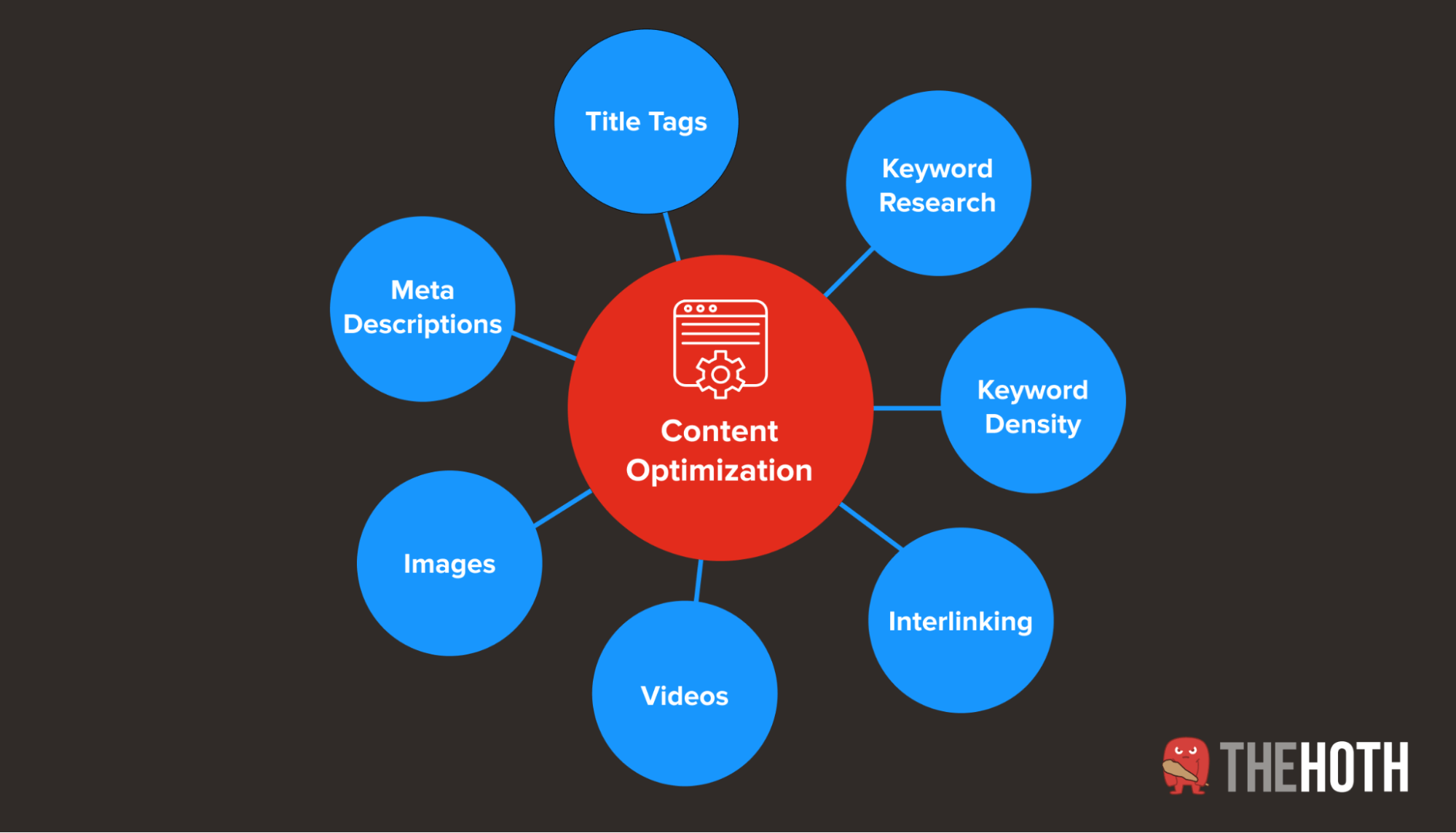
This is a sub-discipline of search engine optimization (SEO) and is often called “on-page optimization.”
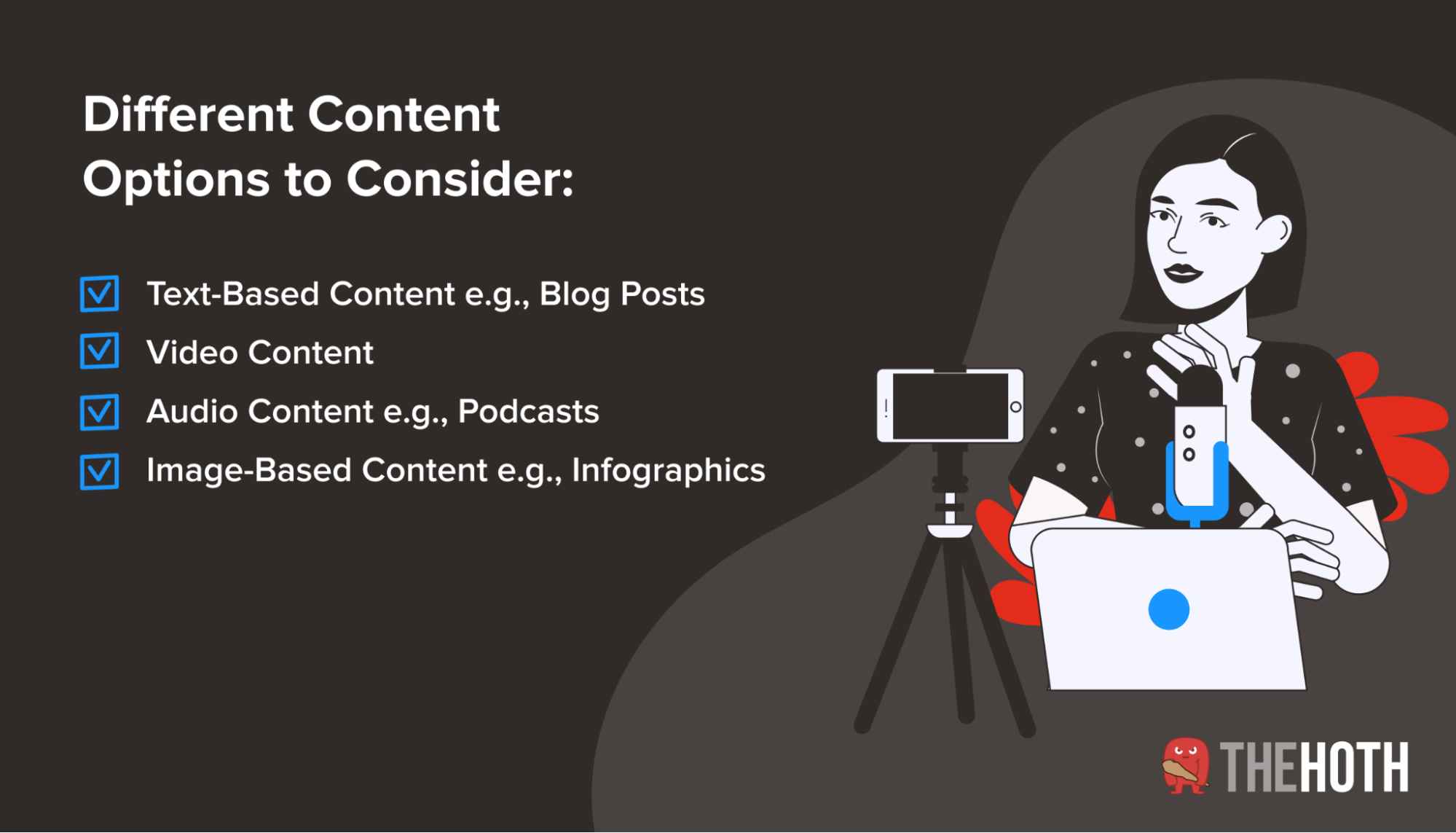
When someone says content, the first thing that springs to mind is often text-based content, like blog articles, e-books, and website copy. But there’s so much more to the world of content than just text.
There are many different forms of content, including:
- Text
- Visual content like images and infographics
- Video
- Podcasts
There is no “best” form of content because different companies have different goals and requirements. There’s also no one-size-fits-all content optimization approach because there are different ways to optimize each content type.
The content optimization process comprises technical steps along with some editorial and marketing steps to generate the best results.
Of course, optimization is not something that can be done quickly. While we’ve seen results in as little as four months, it often takes up to six months or longer before you notice a meaningful impact on rankings, traffic, and revenue. That makes content optimization a long-term investment that requires patience.
It also takes quite a bit of know-how if you’re going to try it on your own without the help of a skilled agency. You need to know what you’re doing when selecting keywords and planning the structure of your content plan. Trying to take on a project like this with little to no expertise will only be a waste of time.
Remember, the best content in the world is useless if no one can find it. That’s why optimization is so vital to content marketing success.
But even if you commit to learning everything there is to know about content optimization, it’s an education you have to stay on top of. Content marketing is constantly evolving, with changes to Google’s search algorithm coming frequently and without warning.
That’s why you need SEO experts in charge of your content optimizations who keep their collective ear to the Google ground. (If you don’t have any on your team, reach out to Hoth X today.)
How to Optimize Content for SEO
Now it’s time to dig into the heart of the matter. How can we optimize content for search engines so that you’ll start generating more traffic, more conversions, and more profits?
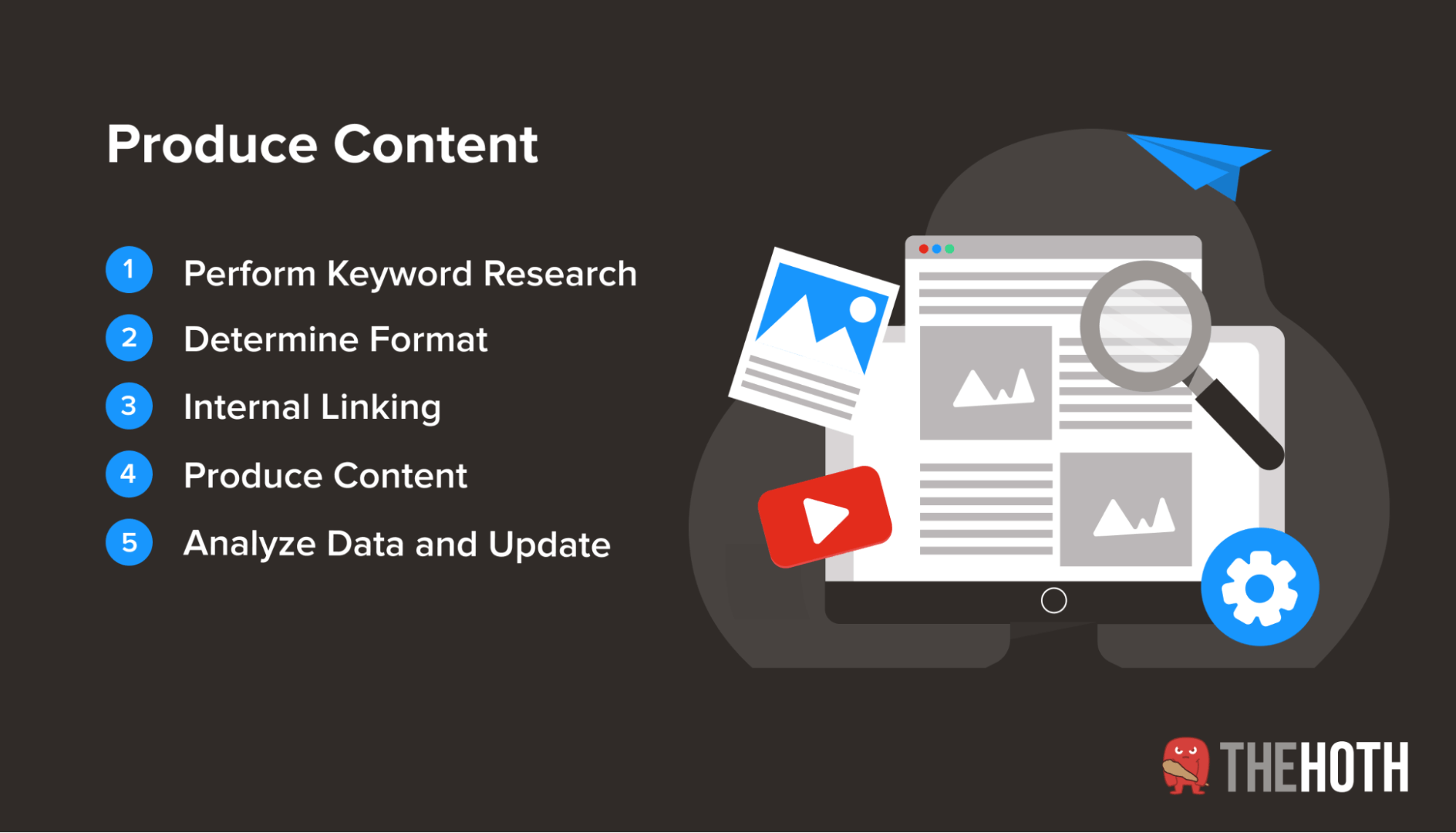
We’ve broken the process down into five distinct steps. Of course, these are broad explanations that can span different content types. In the next section, we’ll further drill down into the specifics of the three main content types.
Step 1: Perform keyword research
Before you can start optimizing your content, you first have to understand what you’re optimizing it for. That’s where keyword research comes into play.
First, you have to determine what your audience is looking for and how you can help them find it. Then, perform an audit of the search engine results page, also known as a SERP. Using SEO tools like Google’s Keyword Planner, you’ll be able to identify relevant keywords and create a list of topics to create content around.
It’s important to take search intent into account here as well. When determining what keywords you need to rank for, you want to make sure they receive traffic on the SERP, they’re relevant to your business, and they speak to the specific intent of your audience.
For example, if you’re selling cars, you’ll want to appeal directly to people searching for a new car to buy, not someone looking for information on fixing or selling a car.
It’s also important to be realistic and look for low-hanging fruit. These are relevant terms with good search volume and the right intent but less competition.
Don’t try to compete with Wiki pages and national brands. They dominate broad keywords, and you’re not going to be able to compete with them. But more niche terms and “long-tail keywords” often lead to the perfect content optimization opportunity.
This is also when you identify semantically related keywords. These terms are a lot like those you’re targeting and appeal to the same audience. Often, finding semantically related keywords to high competition terms can reveal some low-hanging fruit.
Step 2: Determine your format
Now that you know how you’re going to optimize your content, it’s time to start planning it out. You’ll first need to decide your content’s format (or formats). Are you going to focus on revamping your text-based blog articles? Will you create infographics? Invest in video production?
This isn’t about personal preferences. Instead, ask yourself this question: what content format does your target audience prefer?
After all, they’re the ones who will open their wallets and pay for your products. So, where are they? What do they want to see? Creating a blog article for an audience that responds best to video content or a podcast is an exercise in futility.
Also, you need to look at what your competitors are doing. No one is saying that you have to copy them, but if they’re beating you, you’ll have to figure out what they’ve got that you don’t.
Step 3: Produce and post your content
Now it’s time to produce the pieces of content you’ve planned out and post them to the proper platform.
When producing said content, make sure that you do so with keywords in mind. However, there’s a fine line between adding keywords and keyword stuffing. Ensure that the keywords you’re including fit naturally and don’t stick out.
Incorporate keywords into every page’s title tag and meta description. Optimize all headers with semantic keywords and relevant questions to appeal to both search engine crawlers and the casual readers who are going to skim.
While it’s important to optimize, you also must ensure that your content covers the topic in depth. If people come to your page and can’t find answers to the questions they have, they’re going to bounce and look for answers elsewhere.
Step 4: Linking
When creating content, you need internal links that connect each piece of content to other pages on your site. Not only can this increase the amount of time people spend on your site, but it also helps search bots find your pages.
You’re essentially creating an interconnected web of content that Google’s search bots can navigate to index your pages more easily.
If you’re working with text content, this is easy to do. Simply place relevant links in the body of your article where it makes sense. Video content can (and should) have links placed in the description. Images can have links included in captions.
You’ll also have to get outside pages to link back to your content. This is a crucial step that can’t be overlooked. Powerful high ranking websites can give credibility to the pages you’re trying to build. These backlinks are something that Google puts a lot of emphasis on.
Step 5: Audit your content, analyze data, and update accordingly
It’s important to know who is viewing your content and where they’re coming from. This will show you what strategies are working and which aren’t. You’ll also track the movement of your content pages through the SERP. Obviously, you want to see steady upward movement.
Leave your ego at the door and alter plans when needed. Sometimes a search engine optimization strategy that looks foolproof on paper turns out to be a big dud. But as a marketer, you’re going to need to determine where it went wrong and switch things up to get back on track.
Regularly return to the content you create and update it. This isn’t a set it and forget it process, and the content you make now could still pay off for you in five years if it remains relevant.
That means:
- Updating stats
- Adding new relevant keywords
- Updating images
- Updating tags
- Updating headers
If this sounds like a lot of work, that’s because it is. That’s why we created HOTH X as a service that can help with all of your search engine optimization needs.
Optimizing Existing Text Content for People and Search Engines
When optimizing text content, you want to make sure that it’s well-written and appeals to Google’s search algorithm.
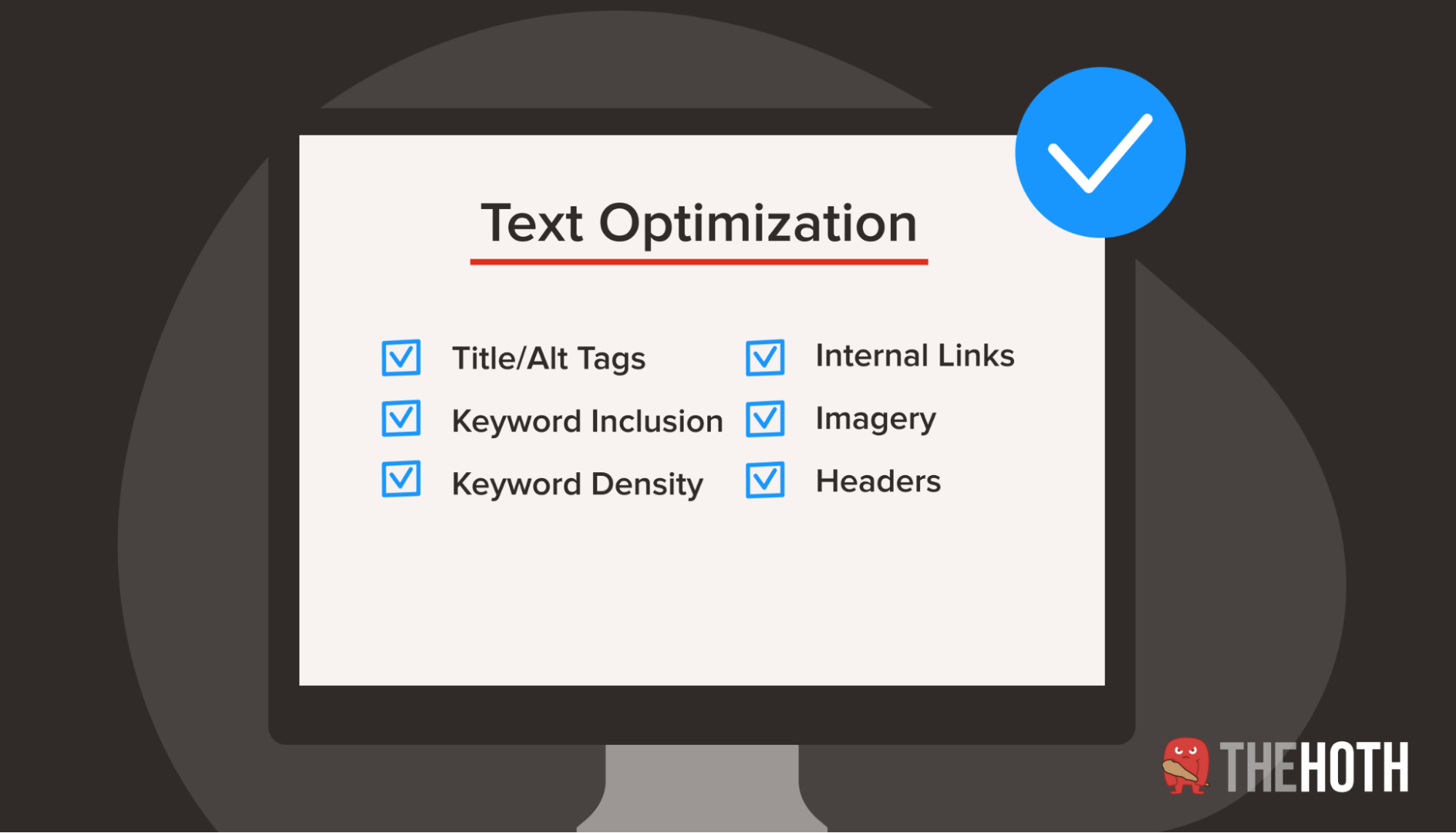
Ensure that you’re using the proper keyword density, covering important related topics, and including semantic keywords in your copy. You can determine this with an SEO content optimization tool like Frase or MarketMuse.
By optimizing your article headers, title tags, and meta description with keywords, you’ll be able to generate more organic traffic. But you’re also looking to create content that people will find appealing — something that shows your expertise and inspires trust in your audience.
To that end, make sure that you’re adding suitable images or other visuals to break up the text. This also provides you with another opportunity to inject some keywords through image alt tags, file names, and URLs.
Address the specific questions that people in your target audience are asking. You’ll be able to find these questions through the “People Also Ask” section of Google. If you optimize for these questions, you might even show up in the PAA section or rank for a featured snippet.
Finally, make sure that your content is well-edited and checked for plagiarism. We recommend using a grammar checker like Grammarly.
If you want a shortcut to high-quality text content for your blog or website, hire experts like our HOTH Blogger team.
Optimizing Video Content on YouTube
Video has become easier to produce with advanced video production software and the availability of stock footage and open-source music. But creating an interesting video is only the first step. You also have to optimize it for the platform you post it on.
To start optimizing video content, create an account on a video-sharing site like YouTube. Use all the proper branding on your YouTube account that aligns with your website and social media pages. It should look like an extension of those pages to ease customer engagement across platforms. The next step is to find YouTube video ideas that will speak to your target audience.

Optimize your video titles to ensure that they contain the keywords you’re trying to rank for. Make them both exciting and optimized simultaneously, creating a catchy title that will generate interest. You also need to make sure the first 10 seconds really capture the viewer’s attention with a punchy opening line or interesting visual.
Your video descriptions should also tell what the video is about while containing keywords. This will allow you to address the needs of your audience and the YouTube search engine at the same time.
Make sure that you:
- Add video tags
- Include links to other pages
- Use cards at the end of the video to hype other content
- Embed videos on your site and optimize them with title tags to boost your YouTube SEO
Optimizing Images
Visual content can be a highly effective medium, but only if properly optimized.
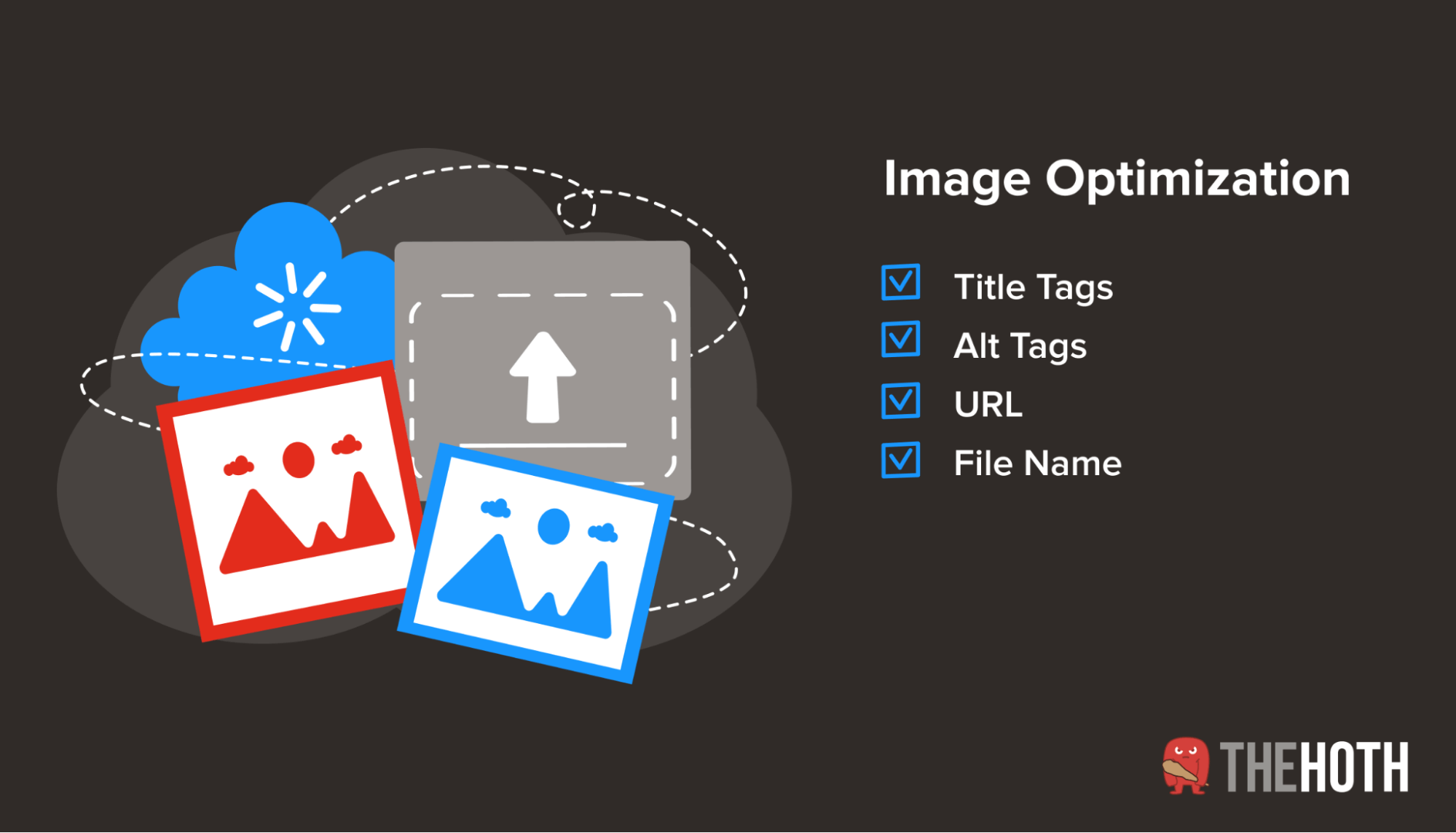
People search for images all the time, and you want to make sure that yours pop up when they do. An optimized image might even rank higher on the SERP than the page it’s featured on
When optimizing images, it’s important to remember that search engines can’t just look at an image and know what it is. That’s why you need to optimize the title and alt description of every image with keywords. You can also optimize the URL and file name for an additional SEO boost.
Start Reaping the Rewards of Optimized Content Today
Content is vital to your success, and content marketing can be highly effective. But content without optimization is useless.
Apply the tips and tricks we’ve outlined above to your content and ensure that the people you’re trying to reach can find you. If you are looking for content optimization help from experts with decades of experience and a history of success, you should schedule a call with The HOTH today.
Leave a comment